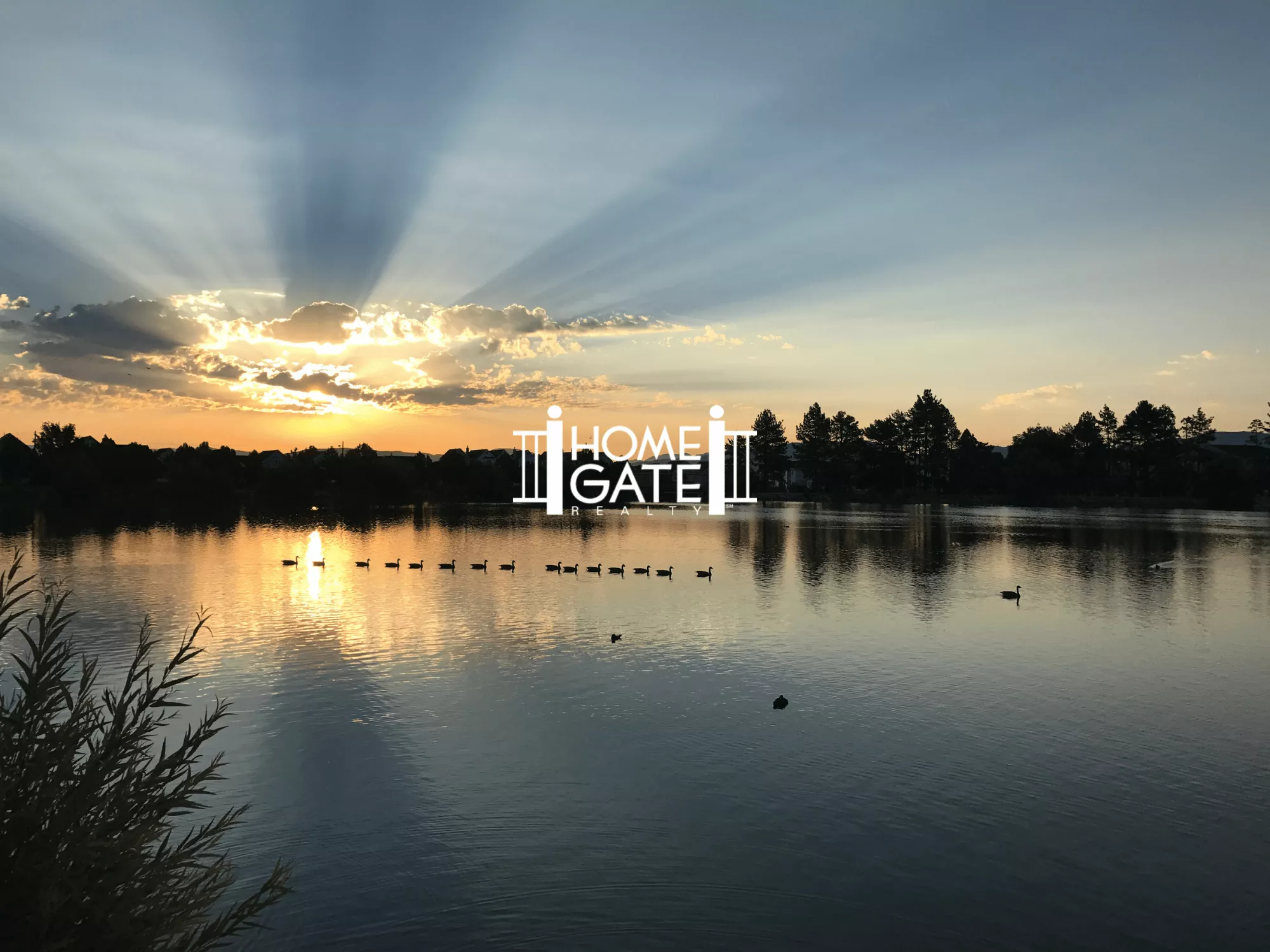
A distinctive rhythm defines the part of Central Reno surrounding Virginia Lake and the Plumas corridor. Mature trees line many residential streets. Established homes reflect several eras of Reno’s growth. Walking paths and neighborhood parks provide room to get outside, while Midtown, downtown, shopping, dining, medical services, and major roads remain conveniently accessible.
For buyers who prefer an established neighborhood over a newly built subdivision (and for owners preparing to market a home with architectural character) this area deserves a closer look.
At HomeGate Realty, we think the appeal begins with balance. Living near Virginia Lake can offer a residential atmosphere without placing residents far from the places they use every day. The area has no uniform housing style or single rigid boundary, which is part of what makes it interesting. Instead, it is a collection of adjacent streets and micro-neighborhoods connected by Virginia Lake Park, Plumas Street, Arlington Avenue, and the broader Central Reno landscape.
Understanding Virginia Lake and the Plumas Corridor
Neighborhood names in this part of Reno can shift depending on the map, listing service, or person describing the area. Virginia Lake and Plumas are often treated as separate but adjacent neighborhoods, while residents may use broader labels such as Central Reno, Southwest Reno, or the Virginia Lake area.
For this guide, “living near Virginia Lake and the Plumas corridor” refers generally to the established residential areas surrounding Virginia Lake Park and extending along or near Plumas Street and Arlington Avenue. It is not intended to define a formal boundary. Buyers should always evaluate the specific address, zoning, property condition, and surrounding blocks rather than relying on a neighborhood label alone.
That address-by-address approach is especially useful here because the housing mix changes noticeably over short distances. One block may feature detached ranch-style homes with mature landscaping, while another may include cottages, larger remodeled residences, duplexes, apartments, or condominium communities.
Midcentury Character Without a Cookie-Cutter Feel
One of the area’s most recognizable qualities is its established housing stock. Many streets near Virginia Lake and through the Plumas area feature homes associated with Reno’s midcentury growth, including compact brick homes, single-story ranch designs, cottages, and properties that have been expanded or updated over time. Homes.com notes that brick residences around 1,000 square feet are among the common home types in Plumas.
That does not mean every property is small or stylistically similar. Renovations, additions, infill development, condominiums, and multifamily buildings create substantial variety. Two homes with similar exterior profiles may have very different floor plans, system updates, lot layouts, and levels of modernization.
For buyers, that variety can create opportunities to choose between original character and move-in-ready improvements. Some may value hardwood floors, masonry details, built-ins, or mature yards. Others may prefer a home where the kitchen, bathrooms, windows, electrical system, plumbing, heating, cooling, and insulation have already been updated.
Because many properties are older than homes in Reno’s newer master-planned communities, a thorough inspection and careful review of permits and improvements are important. Age alone does not determine condition. The quality and documentation of maintenance and renovation matter far more than a simple construction date.
Virginia Lake Park as a Neighborhood Anchor
Virginia Lake is more than a visual landmark. It is a historic piece of Reno’s public landscape. The Nevada Department of Wildlife reports that the lake was created in 1937 with assistance from the Civilian Conservation Corps and was originally developed for fishing. When full, the water covers about 24.5 surface acres and sits within Virginia Lake Park, which the City of Reno manages.
The park’s roots also connect to New Deal-era public works. The Living New Deal archive dates construction to 1936–1938 and notes that the site has served both recreational and water-management purposes.
Today, the park gives nearby residents access to an open-air setting within the city. The paths around the lake support walking and casual exercise, while the surrounding park environment provides space to pause outdoors without leaving Central Reno. The lake also remains a fishing resource managed in coordination with the Nevada Department of Wildlife.
Conditions at an urban lake can change with weather, water quality, maintenance, and seasonal advisories. Anyone planning to fish or use the park should check current City of Reno and Nevada Department of Wildlife information and follow posted guidance.
More Green Space Along the Plumas Corridor
Virginia Lake is the best-known outdoor amenity in the immediate area, but it is not the only one. Plumas Park, located along Arlington Avenue, adds neighborhood-scale green space with mature trees, a playground, and open recreation areas.
Arlington Avenue also helps connect the broader area toward Midtown and the Truckee River corridor. Local neighborhood resources identify bicycle facilities and relatively direct routes that make some nearby destinations accessible without using the freeway. The Regional Transportation Commission maintains a Reno–Sparks map of existing bicycle lanes and paths and advises cyclists to review routes and ride cautiously. Actual walkability or bike access varies by address, route, weather, construction, and individual comfort level, so it is worth testing the trip from any property under consideration.
This combination of a larger lake-centered park and smaller neighborhood green spaces gives the area a different feel from communities where recreation is primarily provided through private HOA amenities. Here, the public landscape is part of the neighborhood’s identity.
Central Reno Convenience
The Plumas corridor sits near several of Reno’s established commercial and cultural districts. Depending on the starting address, residents can reach Midtown and the South Virginia Street corridor without crossing the entire metro area. Neighborhood references also identify access to downtown, the airport, shopping, dining, bus routes, and major roads as part of the broader Virginia Lake location.
The benefit is not simply proximity to one attraction. It is the ability to connect with several parts of the city from a central location. Plumas Street, Arlington Avenue, Moana Lane, Virginia Street, and the McCarran Boulevard loop provide different ways to move through Reno, while nearby bus routes may provide another option for certain trips.
As with any central neighborhood, convenience comes with tradeoffs. Traffic levels, street parking, noise, and pedestrian conditions can vary considerably from one block to another. A buyer who likes a home should visit the immediate area at multiple times of day and test the routes that matter most to their routine.
How the Housing Mix Changes Across the Area
The table below offers a practical way to think about the area without treating informal neighborhood boundaries as absolute.
| Area | General housing and lifestyle character |
| Near Virginia Lake Park | A mix of detached homes, condominiums, and multifamily properties close to the lake and park paths. Some streets feel primarily residential, while others are closer to commercial corridors. |
| Plumas corridor | Established detached homes, including brick and ranch-style properties, alongside remodeled residences and multifamily housing. The corridor provides access toward Midtown, Moana Lane, and other Central Reno destinations. |
| Toward Arlington Avenue | Residential streets with access to Plumas Park and routes leading north toward Midtown and the Truckee River. Housing age, lot size, and density vary by block. |
| Closer to Midtown and South Virginia Street | A more urban mix with increasing access to restaurants, shops, services, apartments, and small multifamily properties. Buyers should assess parking and activity levels for the specific address. |
What Buyers Should Look For
Buying an older home can be rewarding, but the visible finishes are only part of the story. We encourage buyers to look beyond paint colors and countertops to understand the property’s major systems, past improvements, drainage, roof, foundation, sewer line, electrical capacity, plumbing materials, windows, insulation, and heating and cooling equipment.
It is also wise to confirm whether additions or conversions were permitted, particularly when a home has gained square footage, a garage has been converted, or walls have been moved. For condominiums and association-governed properties, buyers should review current fees, reserves, insurance responsibilities, rental rules, maintenance obligations, and governing documents.
The area’s variety makes comparable-sales analysis especially important. A renovated detached home on a quiet interior street is not necessarily comparable to a condominium, an original-condition property, or a home positioned on a busier corridor, even when the addresses are geographically close.
What Sellers Can Emphasize
Homes near Virginia Lake and along the Plumas corridor often have stories that newer construction cannot replicate. Original architectural details, thoughtful renovations, established landscaping, outdoor living areas, park access, and central positioning can all help a property stand out when presented accurately.
Strong marketing should do more than label a home “midcentury” or “close to everything.” It should show the floor plan, document meaningful improvements, explain how the outdoor spaces function, and help buyers understand the home’s relationship to nearby parks and city connections. Professional photography, measured floor plans, clear property descriptions, and neighborhood context can be particularly valuable when the home has unique features that are difficult to compare on price alone.
Pricing also requires precision. In a diverse, block-by-block market, overgeneralized neighborhood averages may hide important differences in condition, location, property type, lot utility, and renovation quality.
Is Living Near Virginia Lake a Match for Your Priorities?
This part of Reno may appeal to buyers whose housing priorities include established architecture, public park access, mature streetscapes, and a central location. It may be less aligned with someone seeking a uniform new-construction environment, extensive private community amenities, or identical floor plans from a single builder.
The best way to understand the area is to compare several properties and experience the surrounding streets in person. Walk around Virginia Lake, drive the Plumas corridor, explore nearby parks, and test the routes you would use most often. The differences between blocks are meaningful—and finding the right one is part of the opportunity.
Explore Virginia Lake and Central Reno With HomeGate Realty
Virginia Lake and the Plumas corridor offer a distinctive combination of established homes, public green space, architectural variety, and Central Reno access. Whether you’re looking for a midcentury property with original character, a thoughtfully renovated home, a low-maintenance condominium, or a centrally located investment property, local context matters.
We can help buyers compare available homes, understand block-by-block differences, and evaluate how each property fits their goals. For sellers, we can build a neighborhood-informed pricing and marketing strategy around the home’s condition, architecture, improvements, and location.
To explore homes near Virginia Lake or discuss selling a property in Central Reno, contact:
HomeGate Realty
Alan Hoffman, Broker/Owner
(775) 742-2591
alan@homegaterealty.com
www.homegaterealty.com
Your Local Experts in Reno, Sparks & Beyond
Northern Nevada Real Estate | Trusted Guidance | Neighborhood Knowledge
Other neighborhoods you may be interested in: Old Southwest Reno, Exploring Midtown, Downtown, and Old Southwest, Mayberry Park, and Idlewild and the Riverwalk District.